




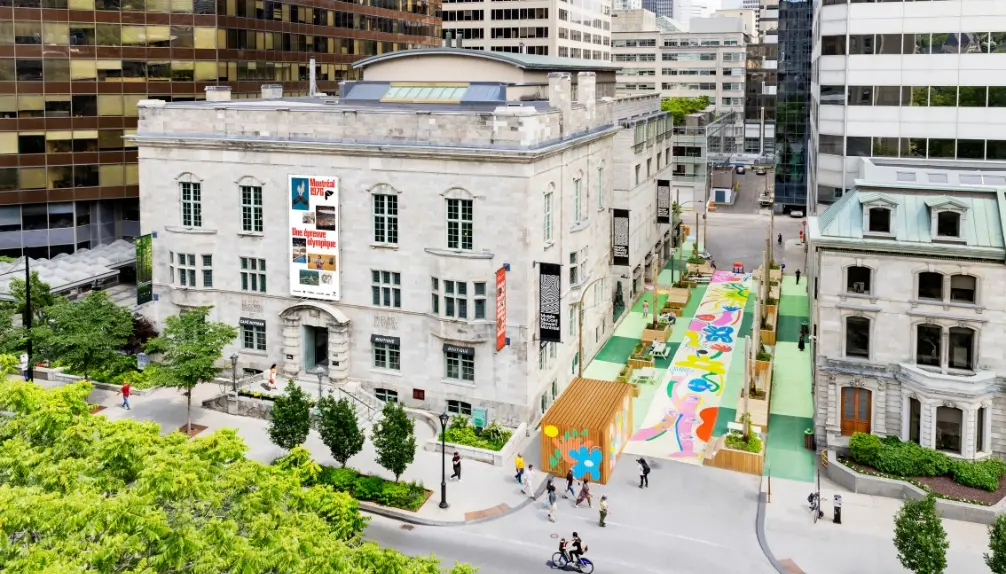
A fixture in the heart of the city for over 100 years, the McCord Stewart Museum sheds light on life in Montreal, both past and present. It bears witness to the history, vitality, creativity and diversity of the communities that make up the city. In keeping with its commitment to decolonization and sustainable development, it creates exhibitions and educational, cultural and community-engagement activities that look at social history and contemporary issues through a critical and inclusive lens. The Museum’s Archives, Documentary Art, Dress, Fashion and Textiles, Indigenous Cultures, Material Culture and Photography collections, containing 2.5 million images, objects, documents and works of art, position it as the custodian of a remarkable historical heritage and one of North America’s leading museums.
EXHIBITIONS:
Indigenous Voices of Today: Knowledge, Trauma, Resilience
Permanent exhibition
The Museum's new permanent exhibition gives a voice to indigenous peoples through some one hundred objects accompanied by more than 80 textual and video testimonies collected from people from the 11 indigenous nations in Quebec. Directed by Huron-Wendat curator Elisabeth Kaine, the exhibition invites the public to come and meet the indigenous peoples and their points of view through a three-part journey that highlights their still little-known knowledge, the deep wounds they bear and their incredible resilience.
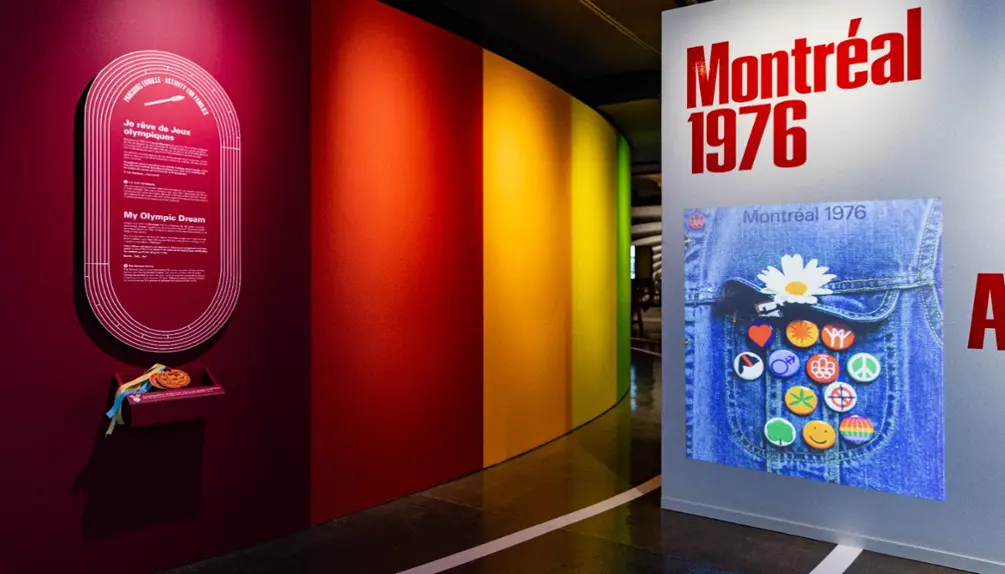
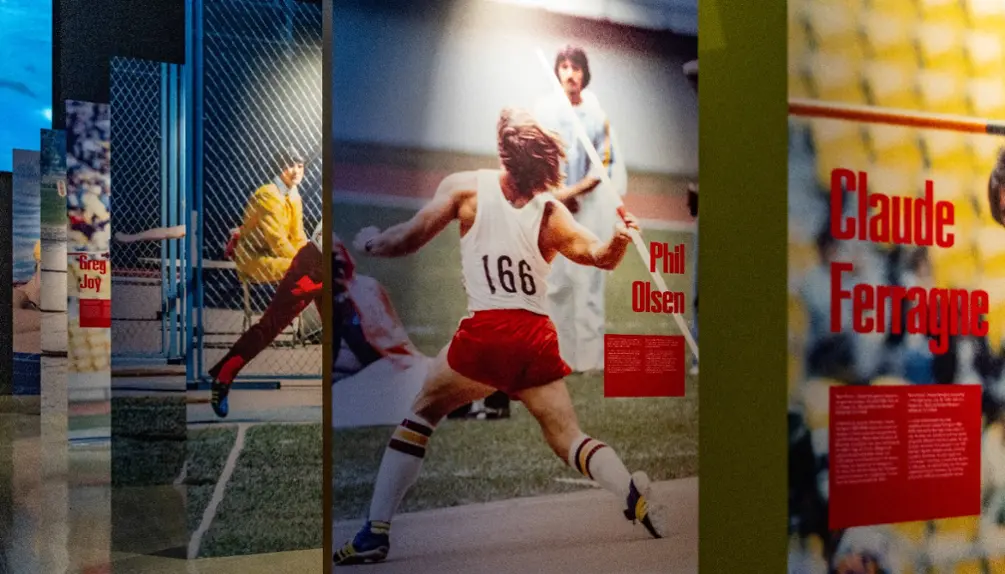
Montreal 1976: An Olympic Feat
Until September 13, 2026
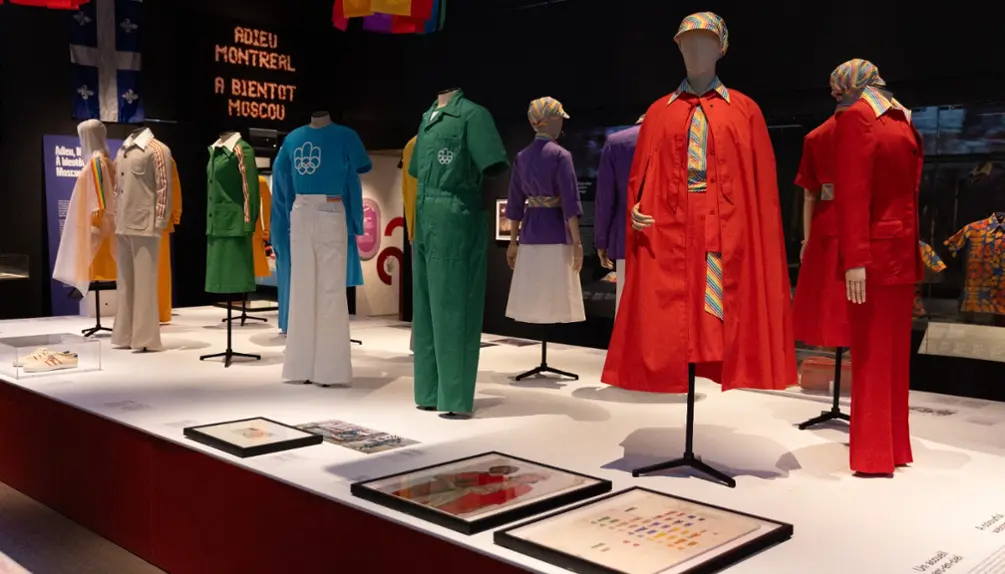
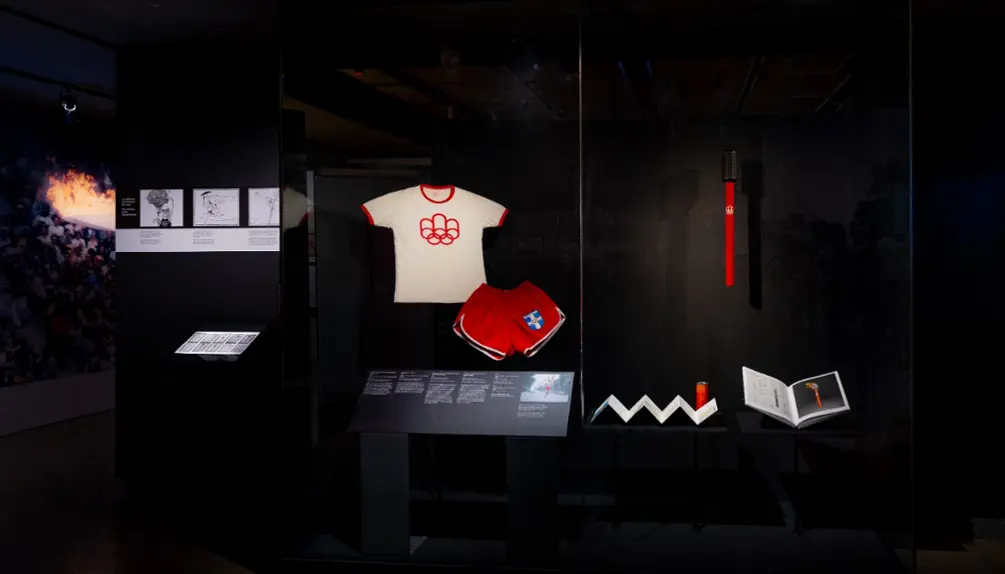
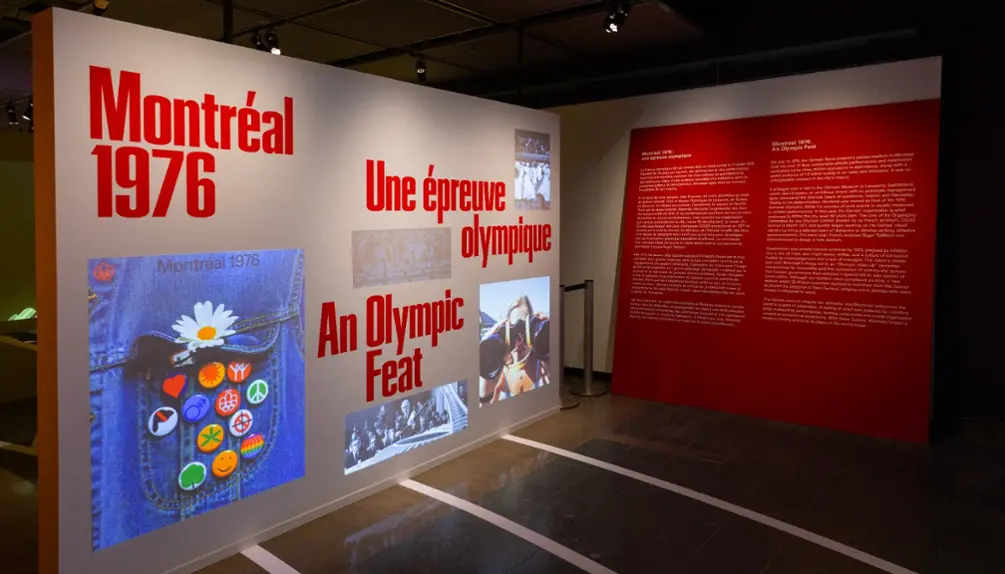
To mark the 50th anniversary of the 1976 Olympic Games in Montreal, the Museum presents an unprecedented retrospective on this global event. Featuring a rich collection of documents and objects—including archives, artefacts, editorial cartoons, uniforms, posters, and photographs—the exhibition explores the many facets of the Games, with a special focus on their aesthetic and design elements.
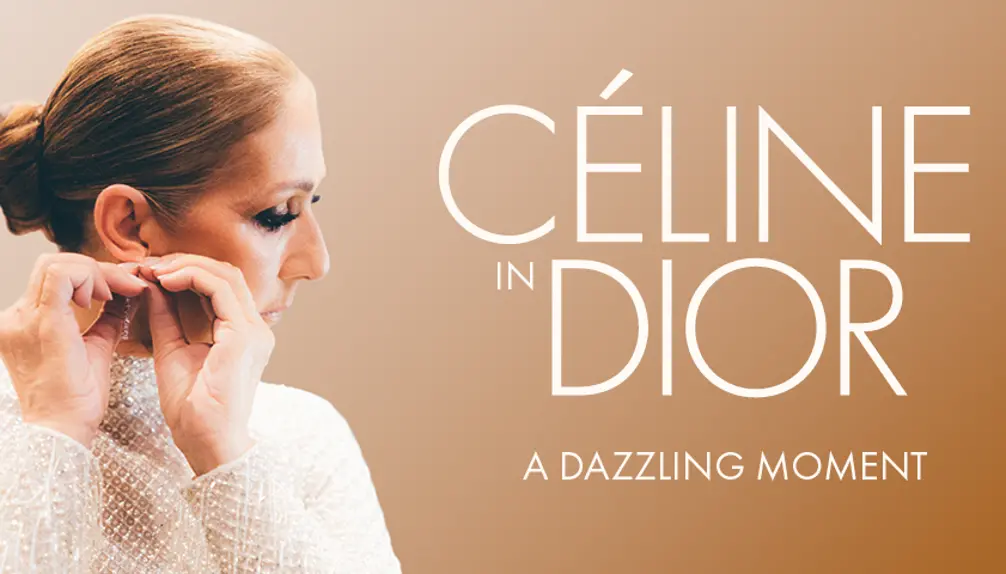
Céline in Dior: A Dazzling Moment
Until September 7, 2026
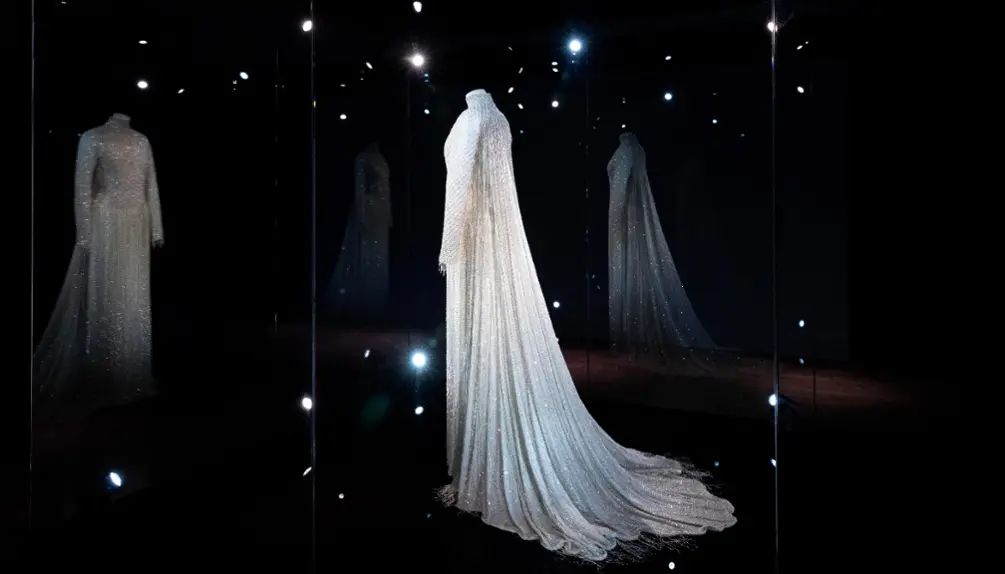
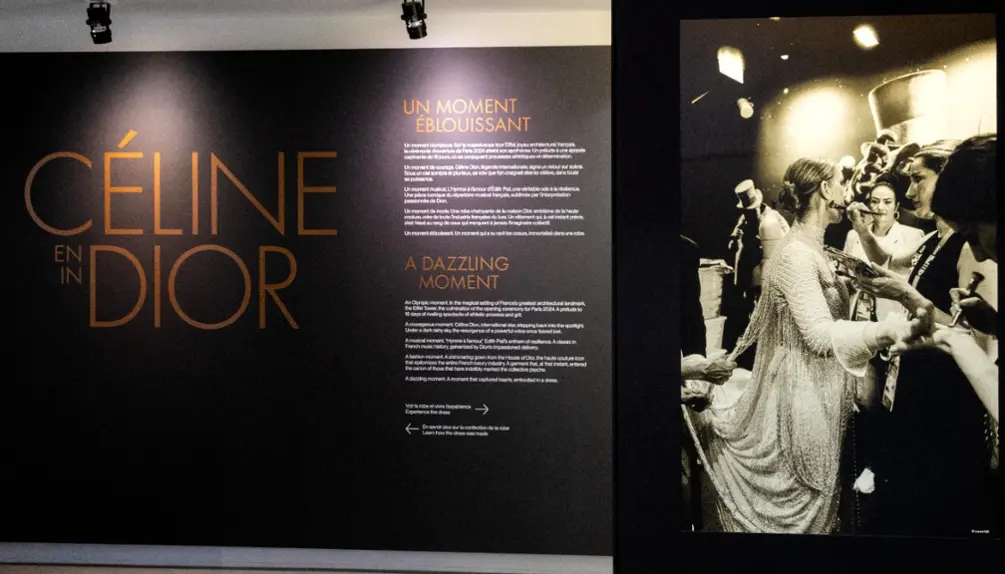
Until September 7, 2026, the Museum presents the North American premiere of the exquisite Christian Dior Couture gown worn by Céline Dion during her unforgettable performance from the Eiffel Tower at the opening ceremony of the Paris 2024 Olympics. Created especially for Céline Dion by Maria Grazia Chiuri, Dior’s Artistic Director from 2016 to 2025, this gown showcases outstanding craftsmanship and required more than 1,000 hours of work.
Duration of the immersive experience: 10 minutes.
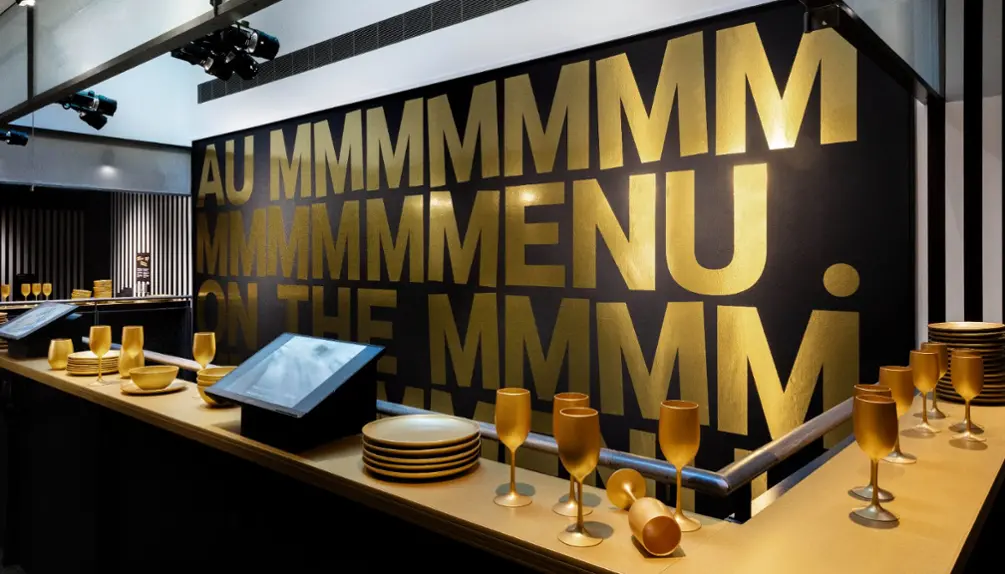
On the Menu Montreal: A Restaurant Story
Until October 18, 2026
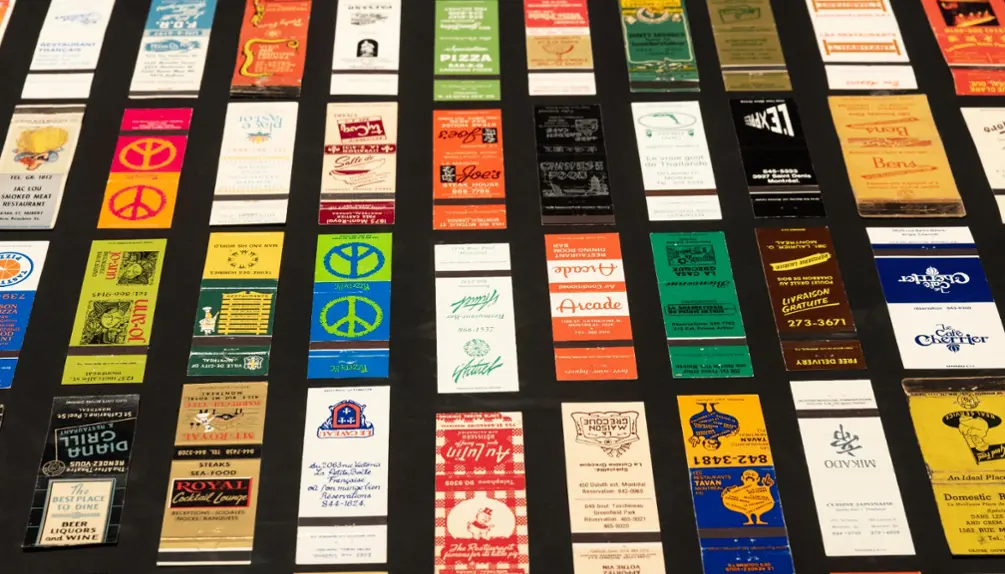
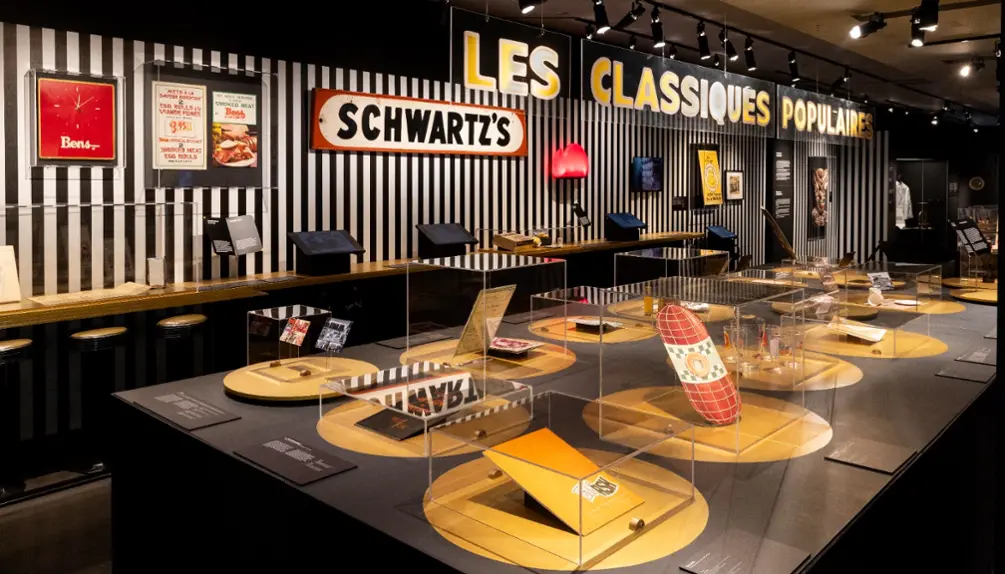
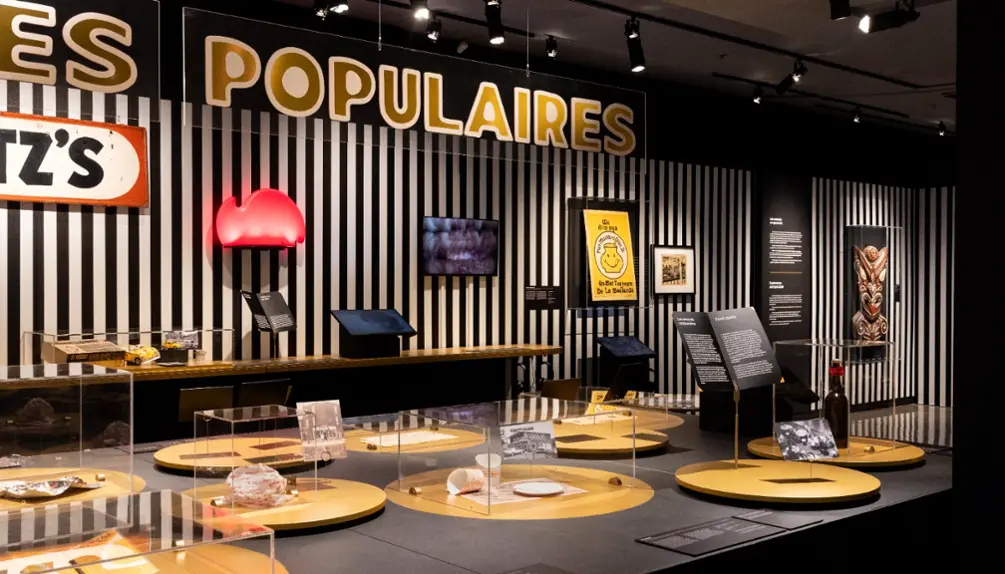
The exhibition On the Menu – Montreal: A Restaurant Story celebrates Montreal’s extraordinarily diverse and inventive food scene from the 1960s to today. Featuring a wealth of audiovisual testimonials, photographs, archives and objects displayed in an evocative setting, the exhibition highlights the evolution of Montreal restaurants, be they delis or fine dining establishments, and their crucial role in shaping the identity of both the city and province.
Inspired by Lesley Chesterman’s idea.
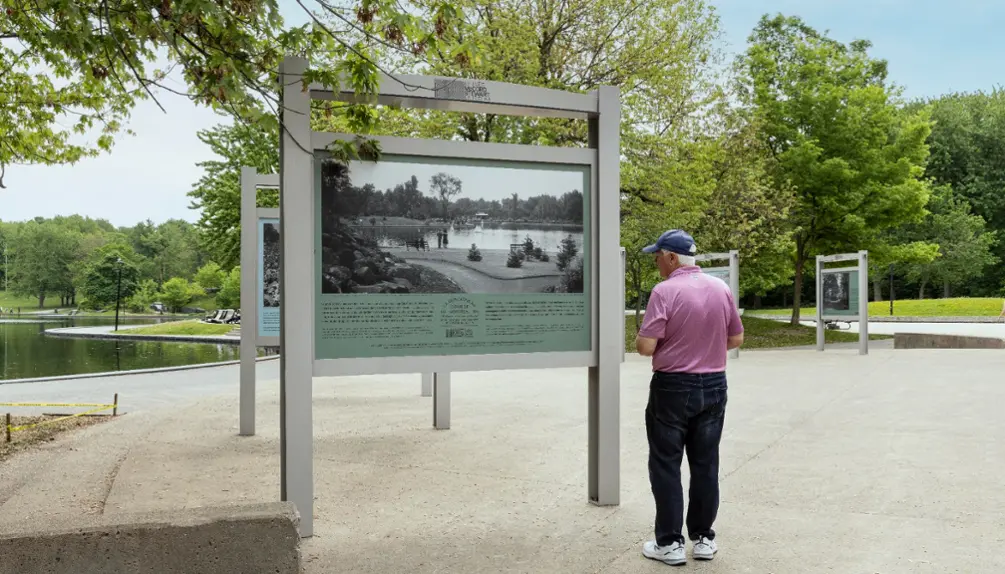
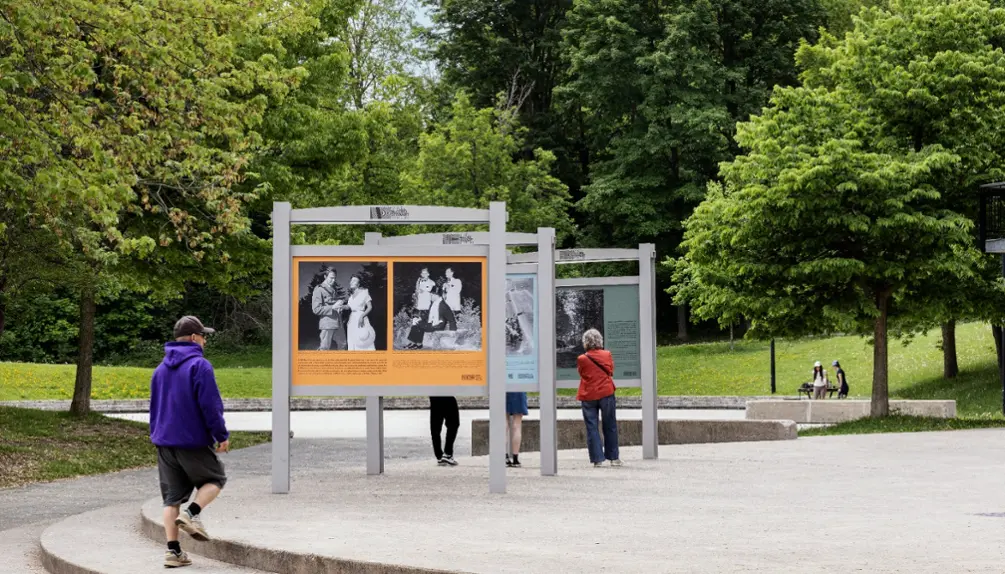
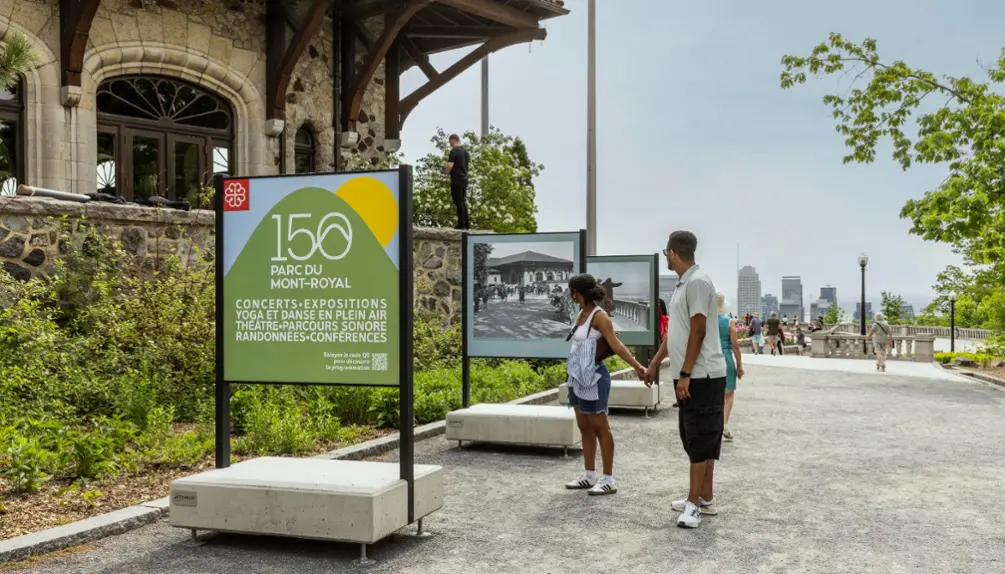
The Mountain at the Heart of Montreal- 150 Years of Mount Royal Park
Available at all times on the mountain
The McCord Stewart Museum presents The Mountain at the Heart of Montreal, an outdoor exhibition tracing 150 years of Mount Royal Park’s history through some fifty archival images drawn from the Museum’s collections. The park’s design follows the vision of Frederick Law Olmsted—the landscape architect also behind New York’s Central Park—and has been a natural refuge at the very heart of the city since 1876. Created to mark the 150th anniversary of Mount Royal Park, the exhibition is made possible through a gift from Power Corporation of Canada, in partnership with the City of Montreal, and in collaboration with Les Amis de la Montagne. It will be on display for the public throughout the official celebration period.
Information
- Free outdoor exhibition, available at all times on the mountain, starting June 1, 2026
- Tour located from the Sir George-Étienne Cartier Monument to Beaver Lake
- Duration: 45 to 70 minutes
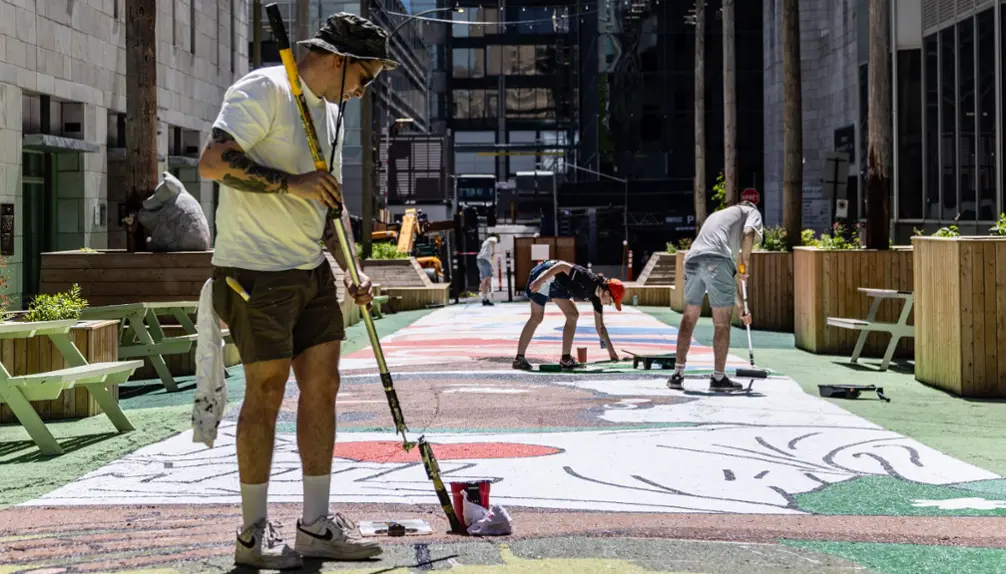
Museum Alley
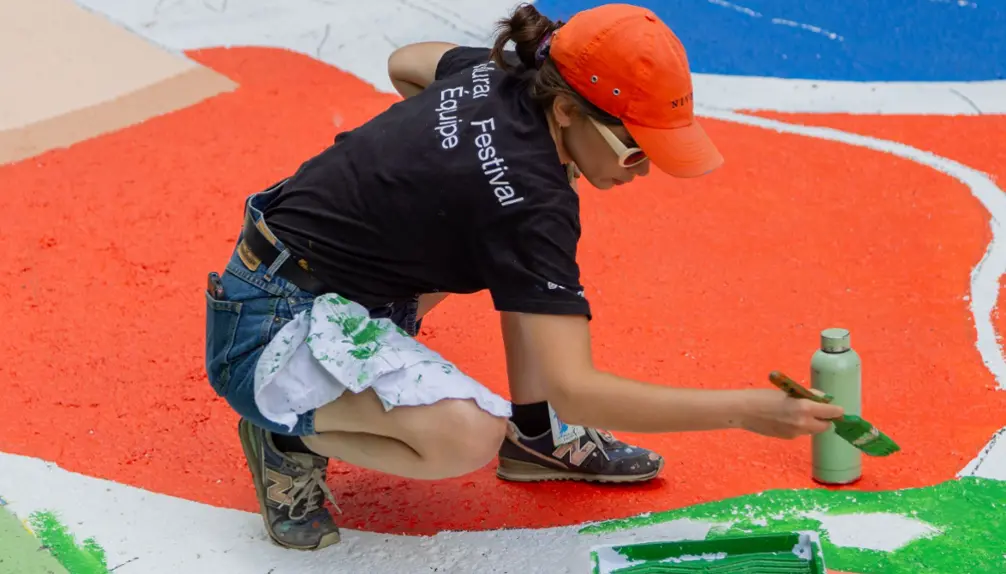
In an effort to bring the Montreal alley experience to the downtown core, the Museum presents Museum Alley, a pedestrianized space on Victoria Street open 12 months a year. Created by architecture firm KANVA, this space immerses the public in the imaginary world of the Montreal alley, inviting passers-by to sit, linger, meet up and chat, surrounded by heavily laden clotheslines. With its abundant greenery, Museum Alley is reminiscent of the city’s most beautiful ruelles vertes, where Montrealers immerse themselves in nature. The space features a lively and colourful work painted during the MURAL Festival.


